
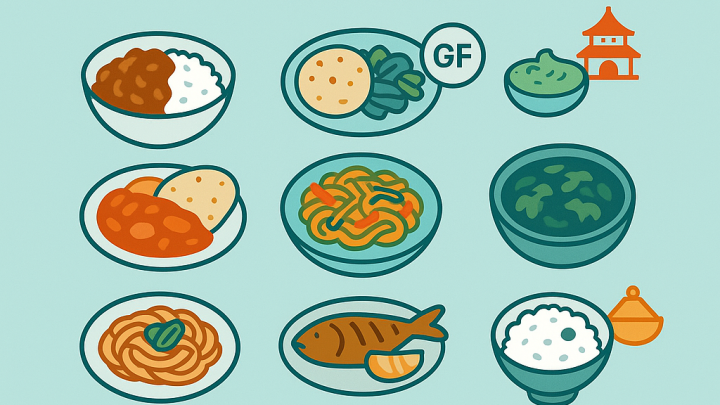
Culturally Responsive Menus: Personalization Beyond Allergies and Macros
Cultural fit predicts adherence. Culturally responsive planning maps clinical constraints onto foods people actually cook and love. The 2025 DGAC scientific report highlights culturally responsive interventions as a pathway to better diet quality and outcomes; CDC and the Academy emphasize practical strategies and equity (DGAC, 2025; CDC, 2024; Academy/IDEA, 2025). Dietary GuidelinesCDCeatrightPRO
Why it matters
Clients are more likely to follow a plan that respects cultural staples, cooking methods, and pantry realities; cultural humility improves trust and adherence (Nemec et al., 2020; Jager et al., 2020). PMC+1
How to operationalize it
- Collect cultural preferences during intake; map them to guideline-compatible swaps.
- Curate recipe libraries tagged by culture and constraint (e.g., “Low-K Persian stew,” “GF South-Asian roti alternatives”).
- Present education materials in the client’s language where possible (CDC, 2024; Academy/IDEA, 2025). CDCeatrightPRO